Trenchless Sewer Repair in Westminster, CO: Is It Right for Your Home?
Sewer line problems in Westminster often start with small, easy-to-miss symptoms. By the time most homeowners notice something is wrong, the issue has been building for months. This guide covers the warning signs to watch for, what sewer line repair versus replacement means in plain terms, and what it realistically costs in the Westminster area. We also walk through what a professional inspection looks like so you know exactly what to expect before you call.
Westminster's older neighborhoods — many built before 1980 — were plumbed with clay and cast iron pipe. Those materials hold up for decades, but Westminster's clay-heavy soil and Colorado's freeze-thaw cycles put extra stress on older lines over time. If your home is more than 40 years old, it pays to know your risk. Think you have a sewer problem?
Request a free sewer inspection in Westminster
What Are the Signs Your Sewer Line Needs Repair in Westminster, CO?
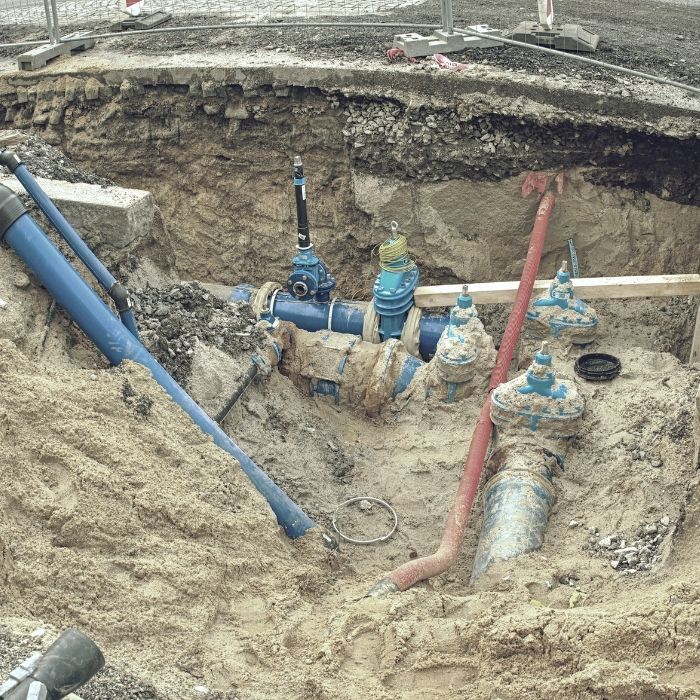
Common signs your sewer line needs repair include:
- Slow or gurgling drains across multiple fixtures — not just one sink or toilet
- Sewage odors inside the home or near the yard around the sewer path
- Soggy or unusually green patches in the lawn above where the line runs
- Frequent drain backups, especially in lower-level fixtures like basement floor drains
- Cracks or settlement in your foundation or driveway near utility lines
In Westminster, older clay and cast iron pipes are especially prone to root intrusion and corrosion. If you notice two or more of these signs together, a camera inspection is the fastest way to confirm what's happening underground.
Not sure what you're dealing with?
Schedule a Westminster sewer camera inspection
Warning Signs Your Sewer Line Is Failing
Multiple slow drains vs. a single clog
One slow drain usually means a localized clog. When two or more fixtures drain slowly at the same time — or when flushing the toilet causes gurgling in the kitchen sink — that points to a problem further down the line. A blockage or break in the main sewer line affects everything connected to it.
Gurgling sounds and sewage odors
Gurgling after flushing is a pressure signal. Air is being pushed back up through fixtures because something is restricting flow below. Sewage odors inside the home often mean a dry trap or a crack in the line itself. Outdoor odors near the yard — especially over soft, damp ground — suggest an active leak underground.
Soggy yard and foundation changes
A sewer line leak releases water and waste directly into the surrounding soil. That creates wet patches and unusually lush grass even during dry stretches. Over time, that saturated soil can shift, and you may see cracks forming near your foundation or along the driveway above the sewer path. These are moderate-to-urgent symptoms that need attention quickly.
Symptom Severity at a Glance
| Symptom | Severity |
|---|---|
| One slow drain | Mild — likely a local clog |
| Multiple slow drains | Moderate — possible main line issue |
| Gurgling across fixtures | Moderate — schedule inspection |
| Sewage odor indoors | Moderate-to-Urgent — call soon |
| Soggy yard or green patches | Urgent — active leak possible |
| Foundation cracks near utility line | Urgent — call immediately |
In Westminster, we commonly see root intrusion near mature trees in older neighborhoods along corridors like 92nd Ave and Sheridan Blvd. Tree roots find the smallest joint gaps in clay pipe and work their way in over years, eventually causing full blockages or cracked sections.
How Long Do Sewer Lines Last? Pipe Types in Westminster
The lifespan of your sewer line depends on what it's made of. Homes built before 1980 in Westminster are likely to have clay or cast iron pipe. Homes built after that date typically have PVC. Each material ages differently.
Pipe Material Lifespan and Common Failure Modes
| Pipe Material | Average Lifespan | Common Failure Mode |
|---|---|---|
| Clay | 50–60 years | Root intrusion, cracking, joint separation |
| Cast Iron | 75–100 years | Corrosion, scale buildup, rust |
| PVC | 100+ years | Physical damage, improper installation |
If your Westminster home was built in the 1960s or 1970s, your clay pipe may already be at or past its typical service life. That doesn't mean it has failed — but it does mean you're in the window where inspections make sense even without obvious symptoms.
Colorado's freeze-thaw cycles add another layer of stress. When ground temperatures drop and rise repeatedly through fall and spring, the soil around your pipes shifts. That movement strains joints and accelerates cracking in older clay lines. Combined with Westminster's clay-heavy soil composition, older pipes take on more stress than they would in other regions.
Tree root intrusion follows a predictable pattern. Roots seek moisture and nutrient-rich environments. A small joint gap in a clay pipe is enough for fine root tendrils to enter. Over three to five years, those roots expand and can fill the pipe or crack it entirely. The older the pipe and the more mature the tree cover nearby, the higher the risk.
A simple rule of thumb: if your home was built before 1980 and you've never had a sewer camera inspection, one is worth scheduling — especially before buying or selling.
Sewer Line Repair vs. Replacement — Which Do You Need?
This is the question most homeowners are really asking, and the honest answer is: it depends on what the camera shows. Here's how we think about it.
When repair is the right call:
- An isolated crack or break in one section of pipe
- Minor root intrusion that hasn't caused structural damage
- A small offset at a joint that can be sealed or patched
- A single blockage that hasn't recurred repeatedly
When replacement makes more sense:
- Widespread damage across multiple sections
- A collapsed or fully crushed pipe segment
- Repeated backups and blockages over a short period
- Pipe that has corroded beyond structural integrity
- Orangeburg pipe, which is paper-based and degrades significantly over time
Trenchless vs. open-cut — what's the difference?
Trenchless methods are the most common approach we use in Westminster. Pipe lining involves inserting a resin-coated liner into the existing pipe and curing it in place — essentially creating a new pipe inside the old one. Pipe bursting pulls a new pipe through while breaking the old one outward. Both methods require minimal digging and protect your yard, driveway, and landscaping.
Open-cut excavation is still sometimes necessary — typically when a pipe has completely collapsed or when access requires it. This involves digging a trench to expose and replace the damaged section directly.
A camera inspection drives the recommendation. We don't quote repair or replacement without seeing the inside of the pipe first. That footage shows us exactly what we're working with.
Regarding permits: in Westminster, open-cut work that affects public right-of-way or crosses property lines typically requires a permit pull through Adams County or Jefferson County, depending on your location. We handle that process for you.
Repair vs. Replacement — Quick Comparison
| Repair | Replacement | |
|---|---|---|
| Best for | Isolated damage, minor intrusion | Widespread damage, collapsed sections |
| Common method | Spot repair, pipe lining | Pipe bursting, open-cut |
| Disruption level | Low | Low (trenchless) to High (open-cut) |
| Cost range | Lower upfront | Higher upfront, often better long-term value |
Ready to get a professional opinion? Sewer line repair in Westminster
How Much Does Sewer Line Repair Cost in Westminster, CO?
Sewer line costs vary more than most homeowners expect, and the range is wide enough that a single number won't tell you much without context. Here's what actually drives the price.
Cost breakdown by service type:
- Sewer camera inspection: Typically the starting point. Provides a video record of pipe condition and a clear basis for any quote.
- Spot repair (isolated section): Lower cost. Appropriate for a single crack, offset joint, or localized root intrusion.
- Pipe lining (trenchless): Mid-range cost. Full-line or partial lining depending on damage extent. Minimal disruption.
- Pipe bursting (trenchless replacement): Higher than lining. Used when the existing pipe can't support a liner.
- Open-cut replacement: Highest cost. Includes excavation, backfill, and surface restoration.
Key variables that affect your price:
- Depth of the pipe — deeper pipes cost more to access
- Pipe material and diameter
- Length of the affected section
- Method used (trenchless vs. open-cut)
- Access challenges (concrete, landscaping, proximity to structures)
A note on homeowner's insurance: Sewer lines are not covered under most standard homeowner's insurance policies. Coverage for sudden and accidental damage varies by policy, but gradual deterioration — the most common cause of sewer line failure — is typically excluded. Check your policy directly before assuming coverage. Some insurers offer sewer line endorsements as add-ons.
Why a camera inspection-first approach saves money: Getting a camera inspection before committing to any repair quote means you're not paying for work based on guesswork. A clear video report shows you exactly what's wrong, where it is, and how extensive the damage is. That keeps quotes honest and prevents unnecessary scope creep.
What to Expect: Westminster Sewer Inspection & Repair Process
A sewer camera inspection requires no digging. Here's exactly what happens when you schedule one with us.
5 Steps in a Westminster Sewer Inspection:
- Access the cleanout. We locate your main sewer cleanout — usually near the foundation or in the yard — and connect our camera equipment.
- Run the camera. A flexible camera is fed through the line. We can see the full interior of your pipe on a monitor in real time.
- Document the findings. We record video of the entire accessible line and note the location of any cracks, root intrusion, blockages, or structural issues.
- Walk you through the results. You see exactly what we see. We explain what each finding means and what your options are — repair, lining, replacement, or no action needed.
Provide a written estimate. If any work is recommended, we give you a clear, itemized quote before anything is scheduled.
From inspection to repair start, the typical timeline in Westminster depends on parts availability and scope. Most spot repairs and trenchless work can begin within a few days of inspection. Larger replacement jobs may require permit processing time, which we manage on our end.
We serve Westminster and surrounding communities including Arvada, Broomfield, Thornton, and Northglenn across Adams County and Jefferson County. Zip codes we regularly work in include 80021, 80030, 80031, and 80234.
When you've called for emergency plumber service, these steps minimize damage while you wait:
How to prepare for your inspection visit:
- Know where your main cleanout is located, if possible
- Clear any items stored near floor drains or basement plumbing access points
- Let us know if you've had recent backups or unusual odors — it helps us know where to focus
We've worked on sewer lines throughout Westminster — from older clay pipe systems in established neighborhoods to newer PVC runs in more recently developed areas closer to 104th Ave. Every job starts the same way: camera first, then a conversation about what we found.
Don't wait until a small problem becomes a major repair. Contact our Westminster plumbing team