
Plumbing Leak Detection in Westminster, CO
Licensed plumbers find hidden water leaks fast in Westminster — walls, slabs, and underground lines. Call today to book same-day leak detection and stop water damage before it spreads.
Hidden leaks in Westminster waste water and wreck walls, floors, and foundations fast. This page covers plumbing leak detection — pinhole leaks, slab leaks, underground line leaks, and slow drips behind walls. Read on to learn how the process works and what to expect when you call us. We use the right tools to find leaks without tearing apart your home.
What Is Plumbing Leak Detection in Westminster, CO?
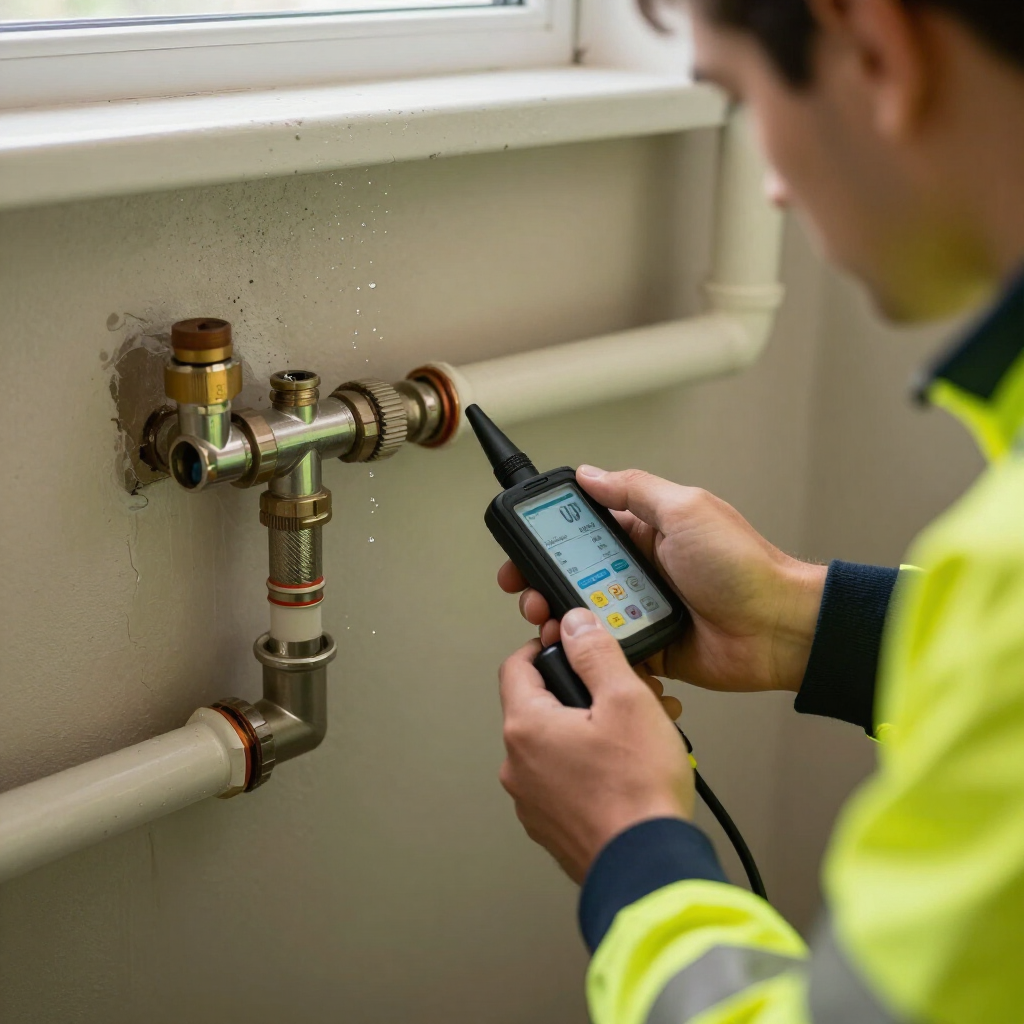
Plumbing leak detection in Westminster, CO is the process a licensed plumber uses to find hidden water leaks in your pipes. We use acoustic sensors, thermal cameras, and pressure gauges to locate leaks without cutting walls. Common leak spots include slabs, underground lines, and pipes inside walls. Leak detection covers three things:
- Finding the exact leak location
- Measuring leak severity
- Recommending the right repair
How Plumbers Find Hidden Leaks Without Tearing Up Your Home
We use acoustic listening devices, infrared cameras, and pressure tests to find leaks fast. These tools pick up sound and heat changes that point to the exact leak spot. Westminster homeowners avoid major demolition when we use this non-invasive approach. The process saves your walls, floors, and tile from unnecessary damage.
Older Westminster homes in areas like Legacy Ridge often have copper pipes that develop pinhole leaks. The right tools catch them early — before they cause serious damage
Signs You Have a Water Leak Inside Your Westminster Property
High water bills, damp drywall, warm floor spots, and a mold smell are all red flags. Low water pressure throughout the house can mean a leak is pulling flow away from your fixtures. Check your water meter for movement when all taps are off — any change is worth a call.
Catching signs early prevents structural rot and mold growth. Westminster's older slab homes in areas like Countryside are especially prone to leaks going unnoticed for months.
What Happens During a Professional Leak Detection Test
We shut off your water supply lines and check pressure drop using gauges to confirm a leak exists. Next, acoustic or thermal tools pinpoint the leak location inside walls, under slabs, or underground. We document the leak location before any repair work begins.
The test takes one to two hours in most homes. We follow Colorado plumbing code requirements when testing pressurized systems — so every step is done by the book.
Slab Leaks and Underground Lines Are the Hardest Leaks to Catch
Slab leaks happen when pipes under your concrete foundation crack or corrode over time. Underground line leaks show up as soggy yard patches, unexplained puddles, or sudden pressure drops. Westminster homes built in the 1980s and 1990s are at higher risk for slab leaks due to pipe age.
Catching these leaks early prevents foundation damage and costly excavation. Westminster's clay-heavy soil shifts with temperature changes, putting extra stress on buried pipes in neighborhoods like Westin.
How to Find a Slow Leak Before It Causes Serious Damage
A slow leak drips behind walls or under slabs for months before showing visible signs. Read your water meter, wait two hours with no water use, then check again — any change signals a leak. Westminster homeowners often discover slow leaks only after a spike in their utility bill.
Early detection keeps repair costs low and protects your drywall, insulation, and framing. Westminster's dry climate can mask slow leaks because small moisture patches dry fast before you spot them.
Get Fast Plumbing Service in Westminster, CO
Tell us what’s going on - we’ll call you within minutes
Same-Day Service Available
Licensed & Insured | Fast Response Times | Serving Westminster & nearby Areas
We'll call you shortly after you submit
Frequently Asked Questions
How do plumbers detect leaks in Westminster homes?
We use acoustic sensors, thermal cameras, and pressure gauges to find leaks without opening walls. These tools let us pinpoint the exact location fast.
What is the most common plumbing leak found in homes?
Pinhole leaks in copper pipes and dripping supply line connections are most common. Older homes tend to see these more often as pipes age.
How do I check for a slow leak in my Westminster home?
Turn off all water, read your meter, wait two hours, then check again for any change. Any movement on the dial means water is moving somewhere it shouldn't be.
What types of leaks are hardest to find?
Slab leaks and underground line leaks are hardest because they are hidden under concrete or soil. They often go undetected until a bill spikes or the yard gets soggy.
Can a plumber find a leak without cutting into my walls?
Yes — acoustic and thermal tools locate most leaks without any demolition. We only open walls when the repair itself requires it.
When should I call a leak detection plumber in Westminster?
Call when you notice a rising water bill, low pressure, warm floor spots, or a musty smell. The sooner you call, the less damage a hidden leak can do.
