
How to Maintain Your Home Plumbing System and Prevent Costly Repairs Target
Knowing how to maintain your home plumbing system can save you hundreds of dollars in emergency repairs. This guide covers the key steps every Westminster homeowner should take — from checking for leaks to flushing your water heater. Colorado's climate and water quality create unique challenges for home plumbing, and we'll cover those too.
Need a plumber in Westminster? Call us today: (478) 780-3030
Introduction
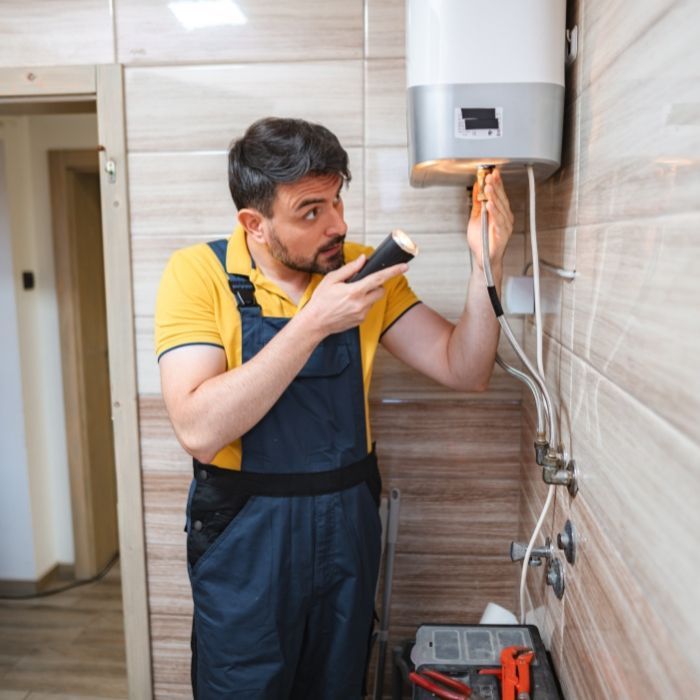
The average water damage insurance claim costs over $11,000. A large share of those claims start with ignored plumbing maintenance. Think about it — a small drip under the kitchen sink, noticed for weeks. Then one Saturday morning, the cabinet floor is soaked and you're calling for emergency service at weekend rates.
This guide breaks down exactly how to maintain your home plumbing system — with a simple checklist, seasonal tips for Colorado homes, and honest advice on when a Westminster plumber should take over.
We'll cover monthly checks, annual tasks, seasonal prep for Colorado winters, and the warning signs that mean it's time to call a pro. Most of these steps take less than 10 minutes.
How Do You Maintain a Home Plumbing System?
To maintain a home plumbing system, follow these six steps:
- Check for leaks under sinks, around toilets, and at exposed pipe connections monthly.
- Test water pressure — it should read between 40–80 PSI for most home systems.
- Flush water heater sediment once a year to improve efficiency and lifespan.
- Clean drain strainers and avoid pouring grease, oils, or "flushable" wipes down drains.
- Inspect toilet flappers and fill valves — a running toilet can waste about 200 gallons of water per day, according to the EPA.
- Winterize outdoor spigots before the first hard freeze — especially important in Westminster, CO.
Want us to handle this for you?
Schedule a plumbing inspection in Westminster →
Monthly Plumbing Checks Every Westminster Homeowner Should Do
A few minutes each month can catch most plumbing problems before they get expensive. Here's what to look for:
- Under-sink areas: Look for slow drips or moisture rings on the cabinet floor. These are early signs of a failing supply line.
- Faucets and showerheads: Run each one and note any drop in flow. Reduced pressure at a single fixture often points to sediment buildup or a worn aerator.
- Drains: Flush each drain with hot water and pay attention to how fast it clears. Slow draining is an early clog warning.
- Toilet base: Check for soft flooring, discoloration, or a musty smell around the base. These can mean a hidden wax seal leak — the kind that causes floor damage before you ever see water.
- Water meter test: Take a meter reading, avoid using any water for two hours, then read the meter again. If the number changed, you have a silent leak somewhere in the system.
In our Westminster service calls, the most common preventable problem we find is a slow drip under a bathroom sink that's been ignored for months. By the time we arrive, the cabinet base has rotted and the supply line is one twist away from failing completely. Two minutes a month would have caught it.
Once you've built a monthly habit, there are a few bigger tasks worth doing once a year — here's what to add to your annual checklist.
Annual Plumbing Maintenance Tasks (Do These Once a Year)
These take a bit more time, but each one protects your home from a costly repair down the road.
- Flush your water heater. Sediment builds up at the bottom of the tank over time, reducing efficiency and shortening the heater's life. Turn the unit to pilot mode, attach a garden hose to the drain valve, and flush until the water runs clear. Refill, relight, and you're done.
- Test the T&P (pressure relief) valve. This safety valve on your water heater releases pressure if the tank overheats. Lift the lever briefly to make sure it opens and closes cleanly. If it sticks or drips after testing, replace it.
- Inspect washing machine hoses. Look for bulging, cracking, or corrosion near the connections. Hoses should be replaced every 3–5 years. A burst washing machine hose is one of the most common causes of serious home water damage.
- Check your sewer cleanout. Older Westminster homes — especially those built in the 1970s and 1980s — often have clay or cast-iron sewer lines that benefit from periodic inspection. A licensed plumber can camera-inspect the line and spot root intrusion or cracks before they cause a backup.
- Test all shut-off valves. Turn every valve under sinks, behind toilets, and at your water heater. They should open and close freely. Valves that haven't moved in years can seize up — and a stuck shut-off during a leak is a serious problem.
When we do annual inspections in Westminster, the first thing we check is the water heater's T&P valve and the condition of the supply lines throughout the house. Those two areas are where we find the most issues that homeowners had no idea were developing.
Beyond regular upkeep, Colorado's seasons create some specific challenges for home plumbing — especially if you've gone through your first hard winter here.
Seasonal Plumbing Tips for Colorado Homes
Westminster sits at roughly 5,400 feet elevation and sees hard freezes from late October through March. Here's how to prep your plumbing for each season:
| Season | Key Task | Notes |
|---|---|---|
| Fall | Disconnect and drain garden hoses; insulate exposed pipes in crawl spaces and unheated garages | Do this before the first overnight freeze - in Westminster, that often arrives in October |
| Winter | Know where your main water shut-off is and keep it accessible | Colorado winters can bring multi-day freezes well below 20�F; pipes in exterior walls and unheated spaces are at real risk of bursting |
| Spring | Inspect all pipes for cracking or joint separation from freeze-thaw cycles; run outdoor faucets and check for reduced flow | A pipe that held up all winter can show damage in the spring thaw |
| Summer | Re-check your pressure regulator if you hear banging or hammering sounds in the pipes | Higher summer water use puts more strain on your system |
One more thing worth knowing: Westminster's water runs moderately hard — around 123 parts per million. That level of mineral content accelerates scale buildup inside water heaters, on faucet aerators, and on fixture connections. If you're noticing reduced flow at showerheads or shorter water heater life than expected, Westminster's water hardness is likely a factor.
Not sure how Westminster's water quality is affecting your pipes?
Our local plumbers in Westminster can walk you through it — call us at (478) 780-3030.
Warning Signs You Need a Plumber (Don't Ignore These)
Some plumbing problems are safe to monitor. Others need a professional right away. Here are the signs we tell every Westminster homeowner to act on quickly:
- Low pressure throughout the whole house: If pressure is low at every faucet — not just one — that points to a main line problem, not a clogged aerator.
- Discolored or rust-tinted water: Brown or orange water from your tap often means a failing anode rod in your water heater or corroding pipes. Don't ignore this one.
- Gurgling sounds from drains or toilets: Gurgling after flushing or draining usually means a blocked or improperly vented sewer line. Left alone, it turns into a sewage backup.
- A sudden spike in your water bill: If your usage habits haven't changed but your bill jumped, you likely have a silent leak. The EPA estimates a running toilet alone can waste about 200 gallons per day — that adds up fast on your utility bill.
- Water stains on ceilings or walls: Any water stain on drywall means there's an active leak behind or above it. This needs immediate attention — the longer it sits, the more structural damage it causes.
One call we get regularly from Westminster homeowners goes something like this: "I noticed a water stain on the ceiling a few weeks ago but figured it would go away." By the time we get there, there's mold in the drywall and the subfloor above is soft. The fix that would have been a simple pipe repair is now a much larger job. If you see a stain, call the same day.
If you spotted any of those warning signs, it's worth calling a pro right away. But even if everything looks fine, here's how often a professional inspection makes sense.
How Often Should You Have a Professional Plumbing Inspection?
Most plumbing experts recommend a full professional inspection once a year for the average home. Newer homes with no known issues can sometimes extend that to every two years. Older Westminster homes — particularly those built in the 1970s through 1990s with galvanized steel or cast-iron pipes — should stick to annual inspections without exception.
If you're buying a home in Westminster, always schedule a plumbing inspection before closing. Plumbing surprises are among the most expensive problems new homeowners face after the sale, and they're not always visible during a standard home inspection.
Here's what a professional plumbing inspection from Westminster Plumbing typically includes:
- Water pressure test
- Visible pipe inspection for corrosion, cracks, or leaks
- Water heater check (condition, T&P valve, sediment)
- Drain flow assessment at all fixtures
- Shut-off valve function check
- Optional sewer camera inspection for older homes
A basic inspection in the Westminster and Denver metro area typically runs between $100–$250, depending on the size of the home and what the inspection includes. That's a reasonable cost compared to the average water damage claim — which runs well over $11,000.
When to Stop DIYing and Call a Plumber in Westminster, CO
Water heater maintenance is one of the easier DIY tasks. But some plumbing jobs in Westminster aren't — and doing them wrong costs more than calling a pro from the start.
Call a licensed plumber if you're dealing with any of the following:
- Main shutoff issues, leaks behind walls, or water damage already present — water behind a wall can spread fast. Don't wait to see how bad it gets.
- Anything near a gas line — water heater gas connections, flexible gas connectors, and gas shutoffs are not DIY territory. Gas line work requires a licensed plumber or gas technician.
- Sewer line symptoms — if multiple drains in your home are backing up at the same time, or you're noticing a sewage smell in your yard, you likely have a main sewer line problem.
- Building-wide pressure drops — if every fixture in your home suddenly has low pressure, it could mean a failing pressure regulator, a burst line, or a problem with the city connection. A plumber can diagnose it quickly.
If you're seeing any of these signs, don't wait for the problem to grow.
Call a licensed
plumber in Westminster, CO
— Westminster Plumbing is available for 24/7 emergency service.
📞 (478) 780-3030
📍 3725 W 88th Ct, Westminster, CO 80031