How to Find a Reliable Plumber What to Look For and Questions to Ask Target
Knowing how to maintain your home plumbing system can save Westminster homeowners hundreds in emergency repair costs. This guide covers the most important checks, seasonal tips, and signs it's time to call a local pro. Westminster's hard water and freezing winters make a consistent plumbing routine especially important.
Need a plumber in Westminster?
Call us today: (478) 780-3030
Introduction
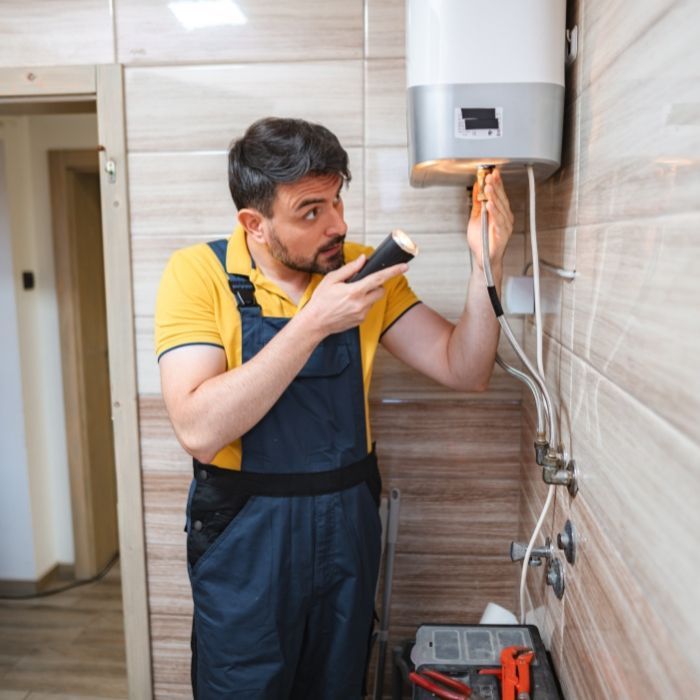
Most plumbing failures don't happen overnight. They build over months of skipped maintenance. Colorado's hard water is one of the leading causes of premature water heater failure and pipe corrosion — and Westminster is no exception, with water hardness levels reaching up to 123 ppm.
This guide shows you exactly how to maintain your home plumbing system — room by room, season by season — so you stay ahead of the problems Westminster homes face most. We'll cover monthly checks you can do in minutes, the seasonal tasks that matter most in Colorado, and a clear list of when to stop DIYing and call a licensed plumber.
What Is the Best Way to Maintain Your Home Plumbing System?
Regular home plumbing maintenance includes:
- Check for leaks monthly — look under sinks and around toilets for drips or moisture.
- Flush your water heater once a year to remove sediment buildup. In hard water areas like Westminster, consider flushing every 6 months.
- Test your water pressure — it should stay between 40–80 PSI, per the IAPMO Uniform Plumbing Code.
- Insulate exposed pipes before winter, especially in unheated spaces like crawl spaces and garages.
- Clean drain stoppers every 1–3 months to prevent slow drains.
- Schedule a professional inspection every 1–2 years.
Westminster homeowners should also watch for hard water mineral buildup year-round. Calcium and magnesium deposits can shorten appliance life and reduce water pressure throughout the home.
Schedule a plumbing inspection in Westminster, CO →
Monthly Plumbing Checks Every Homeowner Should Do
A quick monthly walkthrough can catch small problems before they turn into big ones. In our experience, most Westminster homeowners find their first hidden leak under the kitchen sink — and it's usually been dripping for weeks.
Here's what to check each month:
- Under all sinks — look for drips, moisture stains, or cabinet warping. A soft cabinet floor is a tell.
- Toilet bases and tank connections — press gently around the base. Any give or discoloration can mean a slow leak.
- Infrequently used drains — run water in guest bathrooms and utility sinks every month. This prevents the P-trap from drying out and letting sewer gas into your home.
- Pipe sounds — listen for gurgling or hammering when water runs. Gurgling can signal a blocked vent or partial clog. Hammering often means water pressure is too high.
These checks take less than 10 minutes. Making them a habit each month is the single easiest thing you can do to protect your home.
Your Annual Plumbing Maintenance Checklist
Monthly checks keep things visible. Once a year, you'll want to go deeper. Here's what our technicians check first on every annual inspection call in Westminster:
- Flush the water heater and inspect the anode rod. Sediment from hard water settles at the bottom of the tank. Flushing removes it and protects your unit.
- Test the pressure relief valve on your water heater. Lift the lever briefly to confirm it releases water. If it doesn't move or drips afterward, it needs replacing.
- Check water pressure with a gauge. Healthy residential pressure sits between 40–80 PSI. Anything above 80 PSI puts stress on pipes, fixtures, and appliances. A gauge attaches to any outdoor spigot and costs a few dollars at any hardware store.
- Inspect washing machine hoses. Look for cracks, bulging, or soft spots. Rubber hoses should be replaced every 3–5 years. Steel-braided hoses last longer but still need a visual check.
- Check all supply lines. Inspect lines under sinks, behind toilets, and at the refrigerator ice maker. Look for corrosion, kinking, or moisture at the connections.
Keeping a simple checklist on your phone makes this easy to repeat each year at the same time — we recommend the start of fall in Westminster, just before temperatures drop.
Seasonal Plumbing Tips for Westminster, CO Homeowners
Star ratings alone don't tell the whole story. A plumber with a 4.8 rating based on 12 reviews from 2020 is a riskier call than one with a 4.6 rating and 80 reviews from the past year. Recency matters more than the number on the badge.
When reading review text, look for specifics. Good reviews mention price transparency, whether the plumber showed up on time, how the crew treated the home, and whether the fix held. Generic comments like "great service!" give you very little to work with.
You can also spot fake or incentivized reviews by checking the reviewer's profile. If the account has no other activity beyond a single glowing review for one company, take it with a grain of salt.
For local plumbers in Westminster, Google Business Profile is the most reliable review source. Westminster homeowners also share recommendations on Nextdoor and neighborhood Facebook groups — those peer-to-peer mentions carry real weight because the person vouching is your neighbor.
See what Westminster neighbors are saying about us →
Reviews tell you about the past — these five questions tell you about right now.
Step 4 — Ask These 5 Questions Before You Agree to Anything
Westminster winters are cold, and the Front Range freeze-thaw cycle puts real stress on pipes and outdoor plumbing. Here's what to do each season:
| Season | Task |
|---|---|
| Fall | Disconnect and drain outdoor hoses. Shut off exterior spigots at the interior valve before the first freeze. |
| Winter | Insulate pipes in crawl spaces, attached garages, and unheated utility rooms. Know where your main water shutoff is before you need it. |
| Spring | Check outdoor spigots for drips after the thaw. A spigot that drips after reconnecting could mean a crack formed over winter. Inspect crawl spaces for any signs of freeze damage. |
| Year-Round | Westminster's water hardness runs up to 7-9 grains per gallon. Flush water-using appliances more often than you would in a softer-water area. A whole-home water softener can reduce mineral buildup significantly. |
A note on older Westminster neighborhoods: homes in areas with aging infrastructure may have galvanized steel or older copper supply lines. These are more vulnerable to both corrosion and freeze damage. If your home is more than 30 years old and has never had a pipe inspection, an annual check is worth doing.
Not sure about your pipes? Our team knows Westminster homes. Call us at (478) 780-3030.
How to Spot Early Warning Signs of Plumbing Problems
Even with good seasonal habits, problems still sneak up. Catching them early keeps repair costs down. Here's what to watch for:
- Slow or gurgling drains across multiple fixtures — this isn't just a single clog. When more than one drain is slow at the same time, it often points to a problem in the main sewer line.
- Discolored hot water — rust-colored or cloudy water from hot taps usually means sediment or corrosion inside your water heater tank.
- A sudden drop in water pressure throughout the home — pressure loss in one fixture is usually a local issue. Pressure loss everywhere at once can mean a supply line problem, a failing pressure regulator, or a leak somewhere in the system.
- Higher-than-normal water bills — the EPA's WaterSense program notes that unexplained spikes in water usage are a common signal of a hidden leak. A slow toilet leak or dripping supply line can waste hundreds of gallons a month.
- Moisture stains on walls, ceilings, or subflooring — even if the area feels dry to the touch, staining means water has been there. Don't ignore it.
If you see more than one of these signs at the same time, call a plumber before the situation gets worse.
Water Heater Maintenance in Westminster — What You Need to Know
Westminster's hard water makes water heater maintenance more important here than in softer-water cities. We see water heaters fail 2–3 years earlier than expected in Westminster homes — almost always due to sediment buildup that was never flushed out. A simple annual flush can add real years to your unit.
Why flushing matters: Calcium and magnesium from Westminster's water supply settle at the bottom of your tank over time. This sediment layer forces the heater to work harder to heat the water above it, driving up your energy bill and wearing out the tank faster.
How to flush your water heater:
- Turn the thermostat to "pilot" (gas) or shut off the breaker (electric).
- Connect a garden hose to the drain valve at the bottom of the tank and run it to a floor drain or outside.
- Shut off the cold water supply to the heater.
- Open a hot water faucet somewhere in the house to let air in.
- Open the drain valve and let the tank empty fully.
- Briefly open the cold water supply to flush remaining sediment out.
- Close the drain valve, refill the tank, and restore power or gas.
Signs your water heater needs a professional:
- Popping or rumbling sounds when the burner runs
- Rusty or discolored hot water
- Inconsistent water temperature
- Visible corrosion or moisture around the base of the tank
How long should it last? Tank water heaters have an average lifespan of 8–12 years, per manufacturer guidelines from A.O. Smith and State Water Heaters. In Westminster, hard water can shorten that window if the unit isn't maintained. If your heater is approaching 10 years old, it's worth having a plumber take a look.
In a hard water area like Westminster, we recommend flushing your tank every 6–12 months rather than waiting the full two years some generic guides suggest.
When to Stop DIYing and Call a Plumber in Westminster, CO
Water heater maintenance is one of the easier DIY tasks. But some plumbing jobs in Westminster aren't — and doing them wrong costs more than calling a pro from the start.
Call a licensed plumber if you're dealing with any of the following:
- Main shutoff issues, leaks behind walls, or water damage already present — water behind a wall can spread fast. Don't wait to see how bad it gets.
- Anything near a gas line — water heater gas connections, flexible gas connectors, and gas shutoffs are not DIY territory. Gas line work requires a licensed plumber or gas technician.
- Sewer line symptoms — if multiple drains in your home are backing up at the same time, or you're noticing a sewage smell in your yard, you likely have a main sewer line problem.
- Building-wide pressure drops — if every fixture in your home suddenly has low pressure, it could mean a failing pressure regulator, a burst line, or a problem with the city connection. A plumber can diagnose it quickly.
If you're seeing any of these signs, don't wait for the problem to grow.
Call a licensed
plumber in Westminster, CO — Westminster Plumbing is available for 24/7 emergency service.
📞 (478) 780-3030
📍 3725 W 88th Ct, Westminster, CO 80031