
Sump Pump Westminster CO: Does Your Home Actually Need One?
Not every Westminster home needs a sump pump — but the ones that do can't afford to find out the hard way. This guide covers who needs one, the warning signs of a failing pump, which pump type fits your home, and when to call a local pro.
Westminster's Front Range soil and spring snowmelt patterns put many basements at real risk. If you've ever noticed moisture, musty smells, or water stains below grade, keep reading.
Introduction
Every April, Westminster homeowners open their basement doors and find water where there shouldn't be any. In most cases, a sump pump either failed quietly — or was never there to begin with.
This guide walks you through everything you need to know about sump pumps in Westminster, CO. You'll learn whether your home is at risk, how to spot a failing pump before it lets you down, and which type of system makes sense for your situation.
We'll cover the qualifying factors for Westminster homes, the five warning signs you shouldn't ignore, how standard and battery backup pumps compare, how long a pump should last, and how to find the right local contractor. By the end, you'll know exactly where you stand — and what to do next.
Do Homes in Westminster, CO Need a Sump Pump?
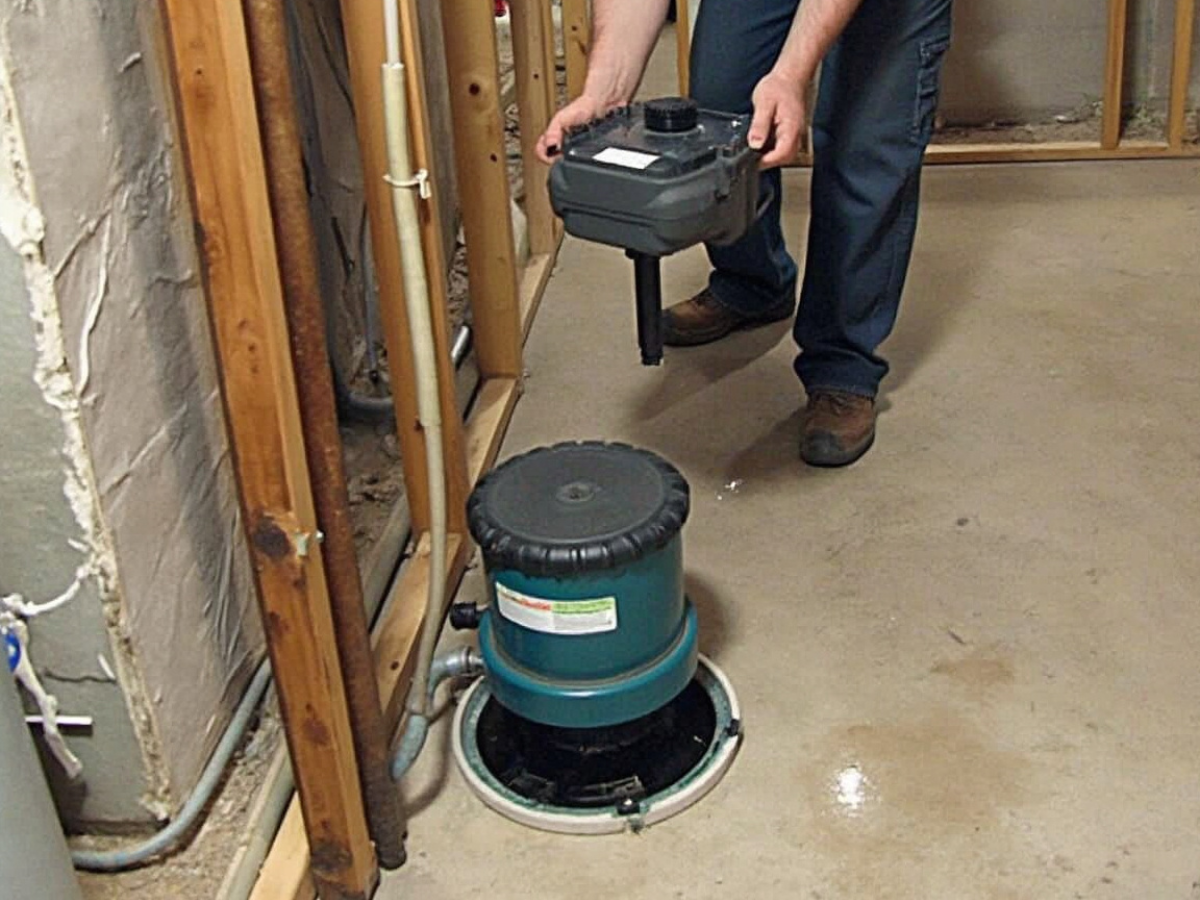
Not every Westminster home needs a sump pump — but many do. Homes in low-lying areas, those with full or partial basements, or properties near local drainage corridors face the highest risk. Westminster's clay-heavy soil holds water longer than sandy or loamy soils. When spring snowmelt saturates the ground, that moisture has nowhere fast to go.
Key reasons a Westminster home may need a sump pump:
- Clay-heavy, expansive soil that retains subsurface moisture
- Full or partial basement construction
- Home built before 1990, often without modern drainage systems
- Lot elevation lower than neighboring properties
- Proximity to drainage channels or low-flow corridors in the area
- Any history of basement moisture, efflorescence, or musty odors
Does your home qualify? Use this quick checklist:
| Factor | Likely Needs One | Worth Evaluating | Probably Fine |
|---|---|---|---|
| Basement type | Full basement | Partial/crawl space | Slab-on-grade |
| Soil & drainage | Clay soil, poor drainage | Mixed drainage | Sandy, fast-draining |
| Home age | Pre-1990, no drainage system | 1990-2005, unknown | Post-2005, modern drain tile |
| Moisture history | Past flooding or water stains | Occasional musty smell | No moisture history |
| Lot position | Low-lying or downhill | Flat with poor runoff | Elevated lot |
When we inspect Westminster homes, the ones in lower-elevation neighborhoods or near natural drainage paths almost always show subsurface moisture — even when the homeowner hasn't noticed anything yet.
Warning Signs Your Sump Pump Is Failing
A sump pump that runs well in dry weather can still fail during the spring storm you needed it most. These are the five warning signs to watch for before that happens.
- Constant cycling or short-cycling. The pump turns on and off rapidly, even without heavy rain. This usually points to a stuck float switch or an undersized pump.
- Unusual noises. Grinding, rattling, or loud humming during operation means something is wearing out inside the motor or impeller.
- Rust, corrosion, or standing water in the pit. Visible rust on the pump body or water sitting in the pit after dry weather are signs the unit isn't clearing properly.
- Age over 7–10 years. Most sump pumps last between 7 and 10 years with regular maintenance. If yours is older, it's worth a professional look before spring.
- The float test fails. Pour a bucket of water slowly into the pit. The pump should activate within seconds. If it doesn't, the float or motor may have already given out.
If you noticed more than one of these, don't wait for a storm to confirm it. A quick inspection now costs far less than water damage later.
Battery Backup vs. Standard Sump Pump — Which Do You Need?
The pump type you choose matters as much as having one at all. Here's how the three main options compare for Westminster homeowners.
| Feature | Standard AC Pump | Battery Backup System | Combination System |
|---|---|---|---|
| Power source | Household electricity | 12V battery | AC primary + battery backup |
| Works in outages? | No | Yes | Yes |
| Typical installed cost | ~$150-$400 | ~$300-$700+ | ~$500-$1,000+ |
| Best for | Moderate risk homes | Frequent travelers, storm-prone lots | High-risk basements, finished spaces |
| Maintenance | Annual inspection | Battery replacement every 3-5 yrs | Both |
Standard AC pumps handle everyday drainage well. The problem is that Colorado's spring storms often bring heavy rain and power outages at the same time. That's exactly when a standard pump stops working.
A battery backup system activates the moment the power cuts out. If you travel frequently, have a finished basement, or store anything valuable below grade, a backup unit isn't optional — it's the right call.
Combination systems give you both: a primary pump for daily use and an automatic battery backup that kicks in when the power fails. For Westminster homes with high flood risk, this is usually the setup we recommend.
Not sure which pump fits your home?
Call our Westminster team → (478) 780-3030
How Often Should a Sump Pump Be Replaced?
Most sump pumps last between 7 and 10 years when tested and maintained annually. After that window, the risk of failure rises — and failure during a storm is when it hurts most.
The best time to inspect your pump in Westminster is late February or early March, before Colorado's April–June wet season begins. A quick test takes minutes and can tell you a lot about where your pump stands.
Annual sump pump inspection checklist:
- Pour water into the pit and confirm the pump activates quickly
- Check the float switch — it should move freely without sticking
- Inspect the discharge line for cracks, clogs, or winter ice damage
- Clear the inlet screen of debris and sediment
- Listen for grinding, humming, or rattling during operation
- Note the age of the unit — if it's past 8 years, factor that into your decision
On repair vs. replacement: if a repair quote runs more than 50% of what a new pump would cost, replacement is usually the smarter move. A new pump also resets the clock on reliability.
We recommend Westminster homeowners schedule a spring inspection every year. We've caught failing floats and cracked discharge lines before they caused any damage — it's a small step that makes a real difference.
Getting Sump Pump Help in Westminster, CO
When something goes wrong with a sump pump, the contractor you call makes a real difference. Westminster has specific soil and drainage conditions that a local plumber will know and a general contractor won't.
Here's what to look for when hiring a Westminster sump pump contractor:
- Licensed and insured in Colorado, with experience in residential basement drainage
- Familiar with Westminster's clay soil conditions and local drainage patterns
- Clear on warranty coverage — both parts and labor
- Transparent pricing with no surprise fees after the job starts
Ask Before You Hire:
1. What brand of pump do you install, and what's the warranty? Quality brands like Zoeller, Wayne, and Liberty Pumps come with manufacturer warranties. Know what you're getting before the work starts.
2. Does the quote include the discharge line, check valve, and pit cover? A complete installation covers more than just the pump itself. Confirm every component is included.
3. What's your response time for emergency calls? A pump that fails at midnight needs a contractor who picks up. Ask about 24/7 availability before you're in a crisis.
Our team at Westminster Plumbing knows the neighborhoods, the soil, and the drainage challenges that come with homes in this area. A professional inspection includes checking the pit, float, discharge line, and motor — and we'll tell you honestly whether repair or replacement makes more sense.
Ready to protect your basement?
Get a free quote today → /contact
