What Is Hydro Jetting? A Complete Guide to High-Pressure Drain Cleaning
What Is Hydro Jetting? A Complete Guide to High-Pressure Drain Cleaning
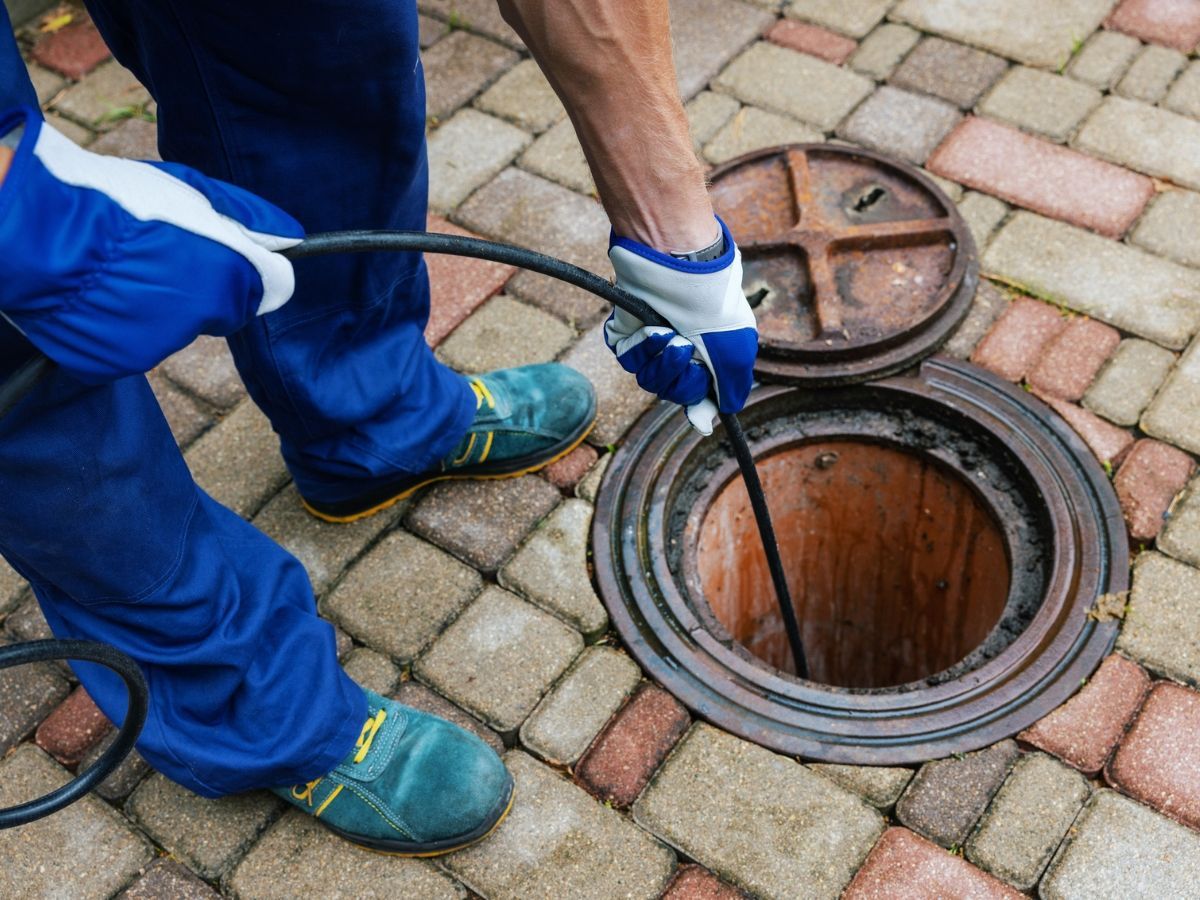
When traditional drain snaking can't clear stubborn clogs or your drains keep backing up despite repeated cleanings, Westminster plumbers often recommend hydro jetting. This powerful cleaning method uses high-pressure water to blast away years of buildup, remove tree roots, and restore your pipes to near-new condition.
But what exactly is hydro jetting, how does it work, and when do you need it instead of regular drain cleaning? This comprehensive guide explains everything Westminster homeowners need to know about hydro jetting - from the technology behind it to when it's worth the investment.
Whether you're dealing with recurring clogs, slow drains throughout your home, or just want to understand this advanced drain cleaning method, this guide provides the clarity you need.
What Is Hydro Jetting?
Hydro jetting is a professional drain and sewer cleaning method that uses high-pressure water - typically 3,000 to 4,000 PSI (pounds per square inch) - to scour the interior walls of your pipes and blast away clogs, buildup, and obstructions. Think of it as pressure washing for the inside of your plumbing system.
Unlike traditional drain snaking that simply pokes a hole through clogs, hydro jetting completely clears pipes by removing buildup from all sides. The result is pipes that flow as well as they did when new, with clean interior surfaces that resist future clogs.
How Much Pressure Does Hydro Jetting Use?
To put hydro jetting pressure in perspective:
- Garden hose: 40-60 PSI
- Pressure washer (residential): 1,300-2,000 PSI
- Pressure washer (commercial): 2,500-3,000 PSI
- Hydro jetting: 3,000-4,000+ PSI
This extreme pressure allows water to cut through the toughest clogs and scour decades of buildup from pipe walls - something no mechanical snake can achieve.
Where Hydro Jetting Is Used
Plumbers use hydro jetting to clean:
- Main sewer lines from house to street
- Secondary drain lines throughout your home
- Kitchen drain lines clogged with grease
- Bathroom drains affected by soap scum and hair
- Laundry drain lines with lint and detergent buildup
- Storm drains and exterior drainage systems
- Commercial drain lines in restaurants and businesses
Essentially, any drain or sewer line that's accessible and structurally sound can benefit from hydro jetting.
How Does Hydro Jetting Work?
Understanding the hydro jetting process helps you appreciate why it's so effective at cleaning pipes that traditional methods can't handle.
The Jetting Nozzle Design
The specialized nozzle is the key to hydro jetting's effectiveness. Unlike a single forward-pointing stream, hydro jetting nozzles feature multiple water jets positioned at specific angles:
Forward-facing jets: A few jets point straight ahead to break through clogs and clear the path
Rear-facing jets: Multiple jets point backward and outward at angles, creating a powerful spray pattern that scours pipe walls while simultaneously propelling the nozzle forward through the pipe
Side-angle jets: Additional jets spray at angles to ensure complete coverage of the pipe's interior circumference
As pressurized water blasts from these jets, it creates two effects:
- The rear-facing jets push the nozzle forward through the pipe (like a jet engine)
- The spray pattern scrubs the entire interior surface, removing everything in its path
The Cleaning Action
When the high-pressure water hits pipe walls and clogs, several things happen:
Impact force: The water strikes with enough force to dislodge hardened grease, mineral scale, and compacted debris
Scouring action: The turbulent spray pattern scrubs pipe walls, removing sticky residue and biofilm
Flushing action: The massive water volume (typically 18-20 gallons per minute) flushes loosened debris downstream and out of your system
Penetration: Water jets can penetrate and break apart tree roots, cutting through the organic material
This combination of cutting, scouring, and flushing completely clears pipes rather than just creating a drainage pathway through the clog.
Why Hydro Jetting Works Better Than Snaking
Traditional drain snakes (augers) work by mechanically boring a hole through clogs. While effective for simple blockages, snaking has limitations:
- Leaves residue clinging to pipe walls
- Can't remove grease, scale, or mineral buildup
- May push debris further into the system
- Only clears the immediate blockage point
- Doesn't prevent rapid re-clogging
Hydro jetting, by contrast:
- Removes buildup from entire pipe interior
- Clears the full diameter of the pipe
- Flushes everything out of the system
- Prevents clogs from returning quickly
- Restores maximum flow capacity
For homes and businesses in Westminster with recurring drain problems, hydro jetting often provides the lasting solution that snaking can't deliver.
Hydro Jetting vs. Traditional Drain Snaking
Choosing between hydro jetting and traditional drain snaking depends on your specific situation. Each method has appropriate applications.
When Traditional Snaking Works Fine
Drain snaking is sufficient for:
- Simple hair clogs in bathroom drains
- Single-point blockages from foreign objects
- First-time clogs in relatively clean pipes
- Emergency clearing when immediate drainage is needed
- Budget-conscious situations where the clog is straightforward
Advantages of snaking:
- Lower cost ($150-$300 typically)
- Faster service in simple situations
- Effective for isolated blockages
- Less equipment required
- Works in most residential drain situations
Limitations of snaking:
- Doesn't clean pipe walls
- Leaves grease and buildup behind
- Can't remove mineral scale or corrosion
- Ineffective against severe root intrusion
- Clogs often return within months
When Hydro Jetting Is the Better Choice
Hydro jetting is recommended for:
- Recurring clogs that keep coming back
- Slow drains throughout the house
- Grease buildup in kitchen lines
- Tree root intrusion in sewer lines
- Mineral scale accumulation (Westminster's hard water issue)
- Preventive maintenance for aging pipes
- Pre-sale home preparation
- After a sewer camera inspection reveals a significant buildup
Advantages of hydro jetting:
- Thoroughly cleans the entire pipe interior
- Removes years of accumulated buildup
- Prevents rapid re-clogging
- Extends the time between cleanings
- Can clear tough clogs, snaking can't handle
- Restores pipes to near-new flow capacity
Limitations of hydro jetting:
- Higher upfront cost ($350-$600+ depending on situation)
- Not suitable for severely damaged or fragile pipes
- Requires professional equipment and expertise
- Takes longer than simple snaking
Cost-Benefit Analysis
While hydro jetting costs more initially, it often provides better long-term value:
Scenario 1: Recurring kitchen drain clogs
- Snaking: $200 every 4-6 months = $400-$600 annually
- Hydro jetting: $450 once every 2-3 years = $150-$225 annually
Scenario 2: Tree roots in sewer line
- Snaking: Temporarily clears pathway; roots return in 3-6 months
- Hydro jetting: Removes roots thoroughly, 12-24 months before treatment needed
For local homeowners in Westminster dealing with persistent drainage issues, hydro jetting typically saves money over time by solving problems that snaking only temporarily masks.
When You Need Hydro Jetting Instead of Regular Drain Cleaning
Certain situations call specifically for hydro jetting's superior cleaning power. Recognizing these scenarios helps you get the right service the first time.
Multiple Slow Drains Throughout Your Home
When several drains are slow simultaneously - kitchen sink, bathroom sinks, shower, and tub all draining sluggishly - you likely have significant buildup in your main drain line or sewer line. This isn't a localized clog that snaking will fix; it's a system-wide flow restriction that requires thorough cleaning.
Hydro jetting can clear your entire main drain line in one service, restoring proper flow to all fixtures at once.
Recurring Clogs in the Same Location
If you're calling for drain cleaning every few months for the same problem, traditional snaking isn't addressing the root cause. The clog keeps returning because:
- Grease and buildup remain on pipe walls
- Partial clogs trap debris quickly
- Tree roots regrow into the cleared pathway
- Pipe damage creates a recurring snag point
Hydro jetting breaks this cycle by completely removing the buildup that causes rapid re-clogging.
Grease-Clogged Kitchen Drains
Kitchen drain lines accumulate grease, fats, and oils that solidify on pipe walls over years of use. This sticky coating traps food particles, hair from the sink, and soap residue, gradually restricting flow. Mechanical snakes can't remove this grease layer they just bore through it.
Hydro jetting's high-pressure water cuts through grease deposits and flushes them completely out of your system, restoring full pipe diameter.
Tree Root Intrusion
Tree roots seeking moisture and nutrients infiltrate sewer lines through tiny cracks or separated joints. Once inside, they grow rapidly, forming thick mats that trap debris and eventually block flow completely.
While drain snakes can cut through roots temporarily, hydro jetting removes them more thoroughly and delays regrowth longer. The high-pressure water jets shear roots off at the pipe wall, leaving the interior cleaner for months longer than mechanical cutting.
For severe or recurring root problems, hydro jetting is often combined with tree root removal treatments to prevent rapid reinfestation.
Westminster's Hard Water Mineral Buildup
Westminster receives water from Jefferson County sources known for relatively high mineral content. Over years, these minerals accumulate inside pipes as scale - particularly in hot water lines, drain lines with standing water, and sewer pipes.
This mineral scale restricts flow and provides rough surfaces where debris catches easily. Hydro jetting can remove much of this scale buildup, though extremely heavy deposits may require additional treatment.
Pre-Purchase Home Inspection Clearing
When buying a Westminster home, many buyers request sewer line cleaning after a camera inspection reveals buildup. Hydro jetting ensures you're starting with clean pipes and provides documentation that the system was professionally maintained before you took ownership.
Preparing for Pipe Lining
If you're having trenchless pipe lining installed to repair damaged sewer lines, hydro jetting is typically required first. The pipe interior must be completely clean for the epoxy liner to adhere properly.
What Hydro Jetting Can Remove from Your Pipes Repairs and Emergency Calls
Hydro jetting's extreme pressure and thorough scouring action can eliminate virtually any organic or mineral buildup that accumulates in drains and sewer lines.
Grease and Fat Deposits
Years of cooking grease, meat fats, and cooking oils coat kitchen drain pipes with thick, sticky deposits that trap food particles and create stubborn clogs. Hydro jetting cuts through these grease deposits like a pressure washer removes dirt, completely clearing pipe interiors.
Even commercial kitchen grease traps benefit from periodic hydro jetting to remove hardened grease that standard cleaning can't reach.
Hair and Soap Scum
Bathroom drains accumulate dense masses of hair combined with soap scum, shampoo residue, and body oils. This combination creates tough clogs that reform quickly after snaking. Hydro jetting removes these accumulations and the soap scum coating that helps them stick to pipe walls.
Mineral Scale and Hard Water Deposits
Westminster's water contains dissolved minerals - primarily calcium and magnesium that precipitate out and form scale inside pipes over time. This crusty buildup narrows pipes and creates rough surfaces that catch debris.
Hydro jetting's high-pressure water can remove moderate mineral scale, restoring flow capacity. Extremely heavy scale may require chemical treatment in addition to hydro jetting for complete removal.
Tree Roots
Tree roots penetrating sewer lines create some of the most stubborn blockages homeowners face. The fibrous root masses trap debris and can completely fill pipe interiors. Hydro jetting's powerful water jets can:
- Shear roots off at the pipe wall
- Remove root masses from the pipe interior
- Clear root fragments from the system
- Delay regrowth by removing root structure
While roots will eventually regrow from remaining segments outside the pipe, hydro jetting provides 12-24 months of clear drainage - much longer than the 3-6 months typical with mechanical cutting.
Sludge and Sediment
Over decades, drains accumulate layers of sludge - organic material, dirt, sand, and decomposed matter that settles in bellied or sagging pipe sections. This sludge reduces flow capacity and creates persistent slow drain problems.
Hydro jetting's water volume and pressure can mobilize and flush out even compacted sludge deposits, clearing sections that have been partially blocked for years.
Paper Products and "Flushable" Wipes
Despite being marketed as flushable, wipes don't break down in water like toilet paper. They accumulate in sewer lines, combining with other debris to form dense blockages. Hydro jetting can break apart these masses and flush them completely from your system.
Biofilm and Bacterial Growth
Drains naturally develop biofilm a slimy coating of bacteria and organic material. This film reduces flow efficiency and produces foul odors. Hydro jetting removes biofilm from pipe walls, eliminating odor sources and improving drainage.
Is Hydro Jetting Safe for Old Pipes?
One of the most common concerns Westminster homeowners have about hydro jetting is whether the high pressure will damage their pipes - especially older clay, cast iron, or Orangeburg sewer lines common in homes built before 2000.
When Hydro Jetting Is Safe
Hydro jetting is safe for pipes that are:
- Structurally sound with no cracks or breaks
- Made of durable materials (PVC, ABS, cast iron in good condition, newer clay pipes)
- Properly installed with secure joints
- Free from severe corrosion or deterioration
Professional plumbers always perform a sewer camera inspection before hydro jetting to verify pipe condition. This inspection reveals:
- Cracks or breaks that could worsen under pressure
- Collapsed or severely deteriorated sections
- Separated joints that might fail
- Pipe material and overall structural integrity
If the camera reveals concerns, the plumber will either adjust pressure settings, avoid hydro jetting damaged sections, or recommend repairs before cleaning.
When Hydro Jetting Might Not Be Appropriate
Hydro jetting should be avoided or used with extreme caution on:
Severely corroded cast iron pipes: If the cast iron has deteriorated to the point of structural weakness, high pressure could cause failure
Collapsed or partially collapsed pipes: These sections need repair, not cleaning
Orangeburg pipes in poor condition: This compressed wood pulp pipe becomes fragile with age and can't always withstand hydro jetting pressure
Recently repaired sections: New repairs should cure completely before subjecting them to high pressure
Extremely old clay pipes with visible cracks: While intact clay pipes can handle hydro jetting, those with extensive cracking may worsen
Adjustable Pressure Settings
Professional hydro jetting equipment allows technicians to adjust pressure based on pipe condition:
- Newer PVC or ABS pipes: Can handle full 3,500-4,000 PSI safely
- Older but sound cast iron or clay: 2,500-3,000 PSI typically safe
- Questionable condition pipes: Lower pressure or alternative cleaning methods
This adjustability means hydro jetting can often be safely used even in older Westminster homes, provided the inspection confirms adequate pipe integrity.
The Importance of Professional Assessment
Never attempt DIY hydro jetting or hire contractors who don't inspect pipes first. The risk of damaging already-compromised pipes is real, and repairs will cost far more than drain cleaning.
Westminster Plumbing always performs camera inspection before recommending hydro jetting. If your pipes can't safely handle the pressure, we'll recommend alternative solutions or necessary repairs to restore your drainage without risking pipe damage.
The Hydro Jetting Process: What to Expect
Understanding what happens during professional hydro jetting helps you prepare and know what to expect.
Step 1: Initial Assessment and Camera Inspection
Before any cleaning begins, the plumber will:
- Discuss your drainage symptoms and history
- Locate your sewer cleanout access point (typically outside near your foundation or in your basement)
- Perform a sewer camera inspection to identify blockage locations and pipe condition
- Review camera footage with you to explain what's found
- Determine if hydro jetting is appropriate or if pipe repairs are needed first
This inspection typically takes 30-45 minutes and provides definitive answers about your drainage system's condition.
Step 2: Setup and Preparation
Once hydro jetting is approved:
- Position hydro jetting equipment near the cleanout or access point
- Connect high-pressure hose to water source (your home's supply or truck tank)
- Prepare collection area for debris that will flush from the system
- Set pressure levels appropriate for your pipe type and condition
- Ensure proper ventilation if working in enclosed spaces
Setup typically takes 15-20 minutes.
Step 3: The Jetting Process
The actual cleaning process:
- Insert jetting nozzle into the pipe through the cleanout
- Turn on water flow and gradually increase pressure
- Feed the hose into the pipe, allowing the rear-facing jets to propel the nozzle forward
- Progress through the entire length of the line, from cleanout toward the street or septic tank
- The nozzle scours pipe walls while moving forward
- Loosened debris and buildup flush downstream and out of the system
- Multiple passes may be needed for heavily clogged lines
- Technician monitors pressure and adjusts as needed
The jetting process typically takes 30-90 minutes depending on line length and buildup severity.
Step 4: Post-Cleaning Inspection
After jetting is complete:
- Run water through drains to verify proper flow
- Perform follow-up camera inspection to document cleaning results
- Show you before-and-after footage if desired
- Ensure all debris has flushed from the system
- Clean up work area and restore access covers
Step 5: Recommendations and Maintenance Planning
Before leaving, your plumber should:
- Explain what was found and removed
- Provide maintenance recommendations based on your system
- Suggest appropriate intervals for future cleaning (if needed)
- Address any pipe concerns discovered during inspection
- Answer questions about drainage, proper use, and prevention
Total Time Required
Complete hydro jetting service typically takes 2-3 hours from arrival to completion, including inspection, setup, cleaning, and verification. Simple cases may take less time, while severe blockages or long drain runs may require additional time.
Using Your Plumbing During Service
You won't be able to use water-consuming fixtures while hydro jetting is underway - typically 1-2 hours. Plan accordingly:
- Complete laundry and dishes beforehand
- Take showers before the appointment
- Use restrooms before water use is restricted
- Keep pets and children away from work areas
Once cleaning is complete and the system is verified, you can immediately resume normal water use.
How Much Does Hydro Jetting Cost in Westminster?
Hydro jetting costs more than traditional drain snaking due to the specialized equipment and expertise required, but it often provides better long-term value for tough or recurring drainage problems.
Invest in Long-Term Savings with Water Heater Replacement
Typical Hydro Jetting Cost
In Westminster, expect to pay:
Residential main sewer line hydro jetting: $350-$600
- Includes camera inspection before and after
- Covers typical residential line length (50-100 feet)
- May cost more for extremely long runs or severe blockages
Kitchen drain line hydro jetting: $250-$400
- Targeted cleaning of grease-clogged kitchen drains
- Shorter runs than main sewer lines
- Often combined with main line service
Full-system hydro jetting: $500-$800+
- Comprehensive cleaning of main sewer line and secondary drain lines
- Includes all drain branches throughout the house
- Best value for homes with widespread slow drain issues
Emergency hydro jetting service: Add $100-$200
- After-hours, weekend, or holiday service
- Same high-pressure cleaning with premium timing
What Affects Hydro Jetting Cost?
Several factors influence your final price:
Line length: Longer sewer runs from house to street require more time and hose length
Blockage severity: Heavily clogged lines require multiple passes and take longer
Accessibility: Difficult-to-access cleanouts or missing cleanouts (requiring removal of toilets) add labor
Camera inspection: Some quotes include inspection, others charge separately ($150-$300)
Property obstacles: Lines running under driveways, landscaping, or structures may complicate access
Time of service: Emergency or after-hours service carries premium pricing
Clear Your Drains Completely with Professional Hydro Jetting
Hydro jetting represents the most thorough drain and sewer cleaning method available to Westminster homeowners. When traditional snaking provides only temporary relief or your pipes need comprehensive cleaning to restore proper flow, high-pressure water jetting delivers results that last.
The extreme pressure and specialized nozzle design allow hydro jetting to remove grease, scale, tree roots, and decades of buildup that mechanical cleaning can't touch. The result is pipes restored to near-new condition with clean interior surfaces that resist rapid re-clogging.
While hydro jetting costs more upfront than traditional snaking, it provides superior value for homes with persistent drainage issues, grease-clogged kitchen lines, tree root problems, or aging pipes that need thorough cleaning. The extended time between cleanings typically makes hydro jetting more economical over time than repeated snaking.
Professional camera inspection before hydro jetting ensures your pipes can safely handle the pressure while identifying the exact problems that need addressing. This combination of diagnostic precision and powerful cleaning technology solves drainage problems that have frustrated homeowners for years.
Ready to experience the difference hydro jetting makes?
Call Westminster Plumbing at (478) 780-3030 for professional hydro jetting services. We include sewer camera inspection with every hydro jetting service to ensure safe, effective cleaning tailored to your specific pipe conditions.
Our experienced technicians use state-of-the-art equipment and adjust pressure settings based on your pipe material and age. We provide before-and-after documentation so you can see exactly what we've removed from your system.
Stop dealing with recurring clogs and slow drains. Get the thorough cleaning your pipes need with professional hydro jetting from Westminster's drainage experts.
Powerful Solutions for Stubborn Drain Problems
Frequently Asked Questions
How do I know if hydro jetting is necessary instead of regular drain cleaning?
Hydro jetting is typically needed when you experience recurring clogs, slow drains throughout the home, grease buildup, tree root intrusion, or mineral scale accumulation. If snaking only provides temporary relief, hydro jetting is often the more effective long-term solution.
Is hydro jetting safe for older sewer pipes in Westminster homes?
Yes, when performed by professionals after a camera inspection. Hydro jetting is safe for structurally sound clay, cast iron, and PVC pipes. Pressure levels are adjusted based on pipe material and condition. Severely damaged or collapsed pipes should be repaired before hydro jetting.
How long do hydro jetting results typically last?
For most homes, hydro jetting keeps pipes clear for 12–24 months, depending on usage, pipe condition, and root activity. This is significantly longer than traditional snaking, which often needs repeat service within a few months.
Can hydro jetting remove tree roots completely?
Hydro jetting removes roots inside the pipe and clears blockages thoroughly, restoring flow. However, roots outside the pipe may regrow over time. Hydro jetting typically delays regrowth far longer than mechanical cutting and is often combined with root control treatments for best results.
How long does a hydro jetting service take?
Most residential hydro jetting services take 2–3 hours total, including camera inspection, setup, cleaning, and post-inspection. The jetting process itself usually lasts 30–90 minutes depending on buildup severity and pipe length.
Is hydro jetting worth the cost compared to snaking?
For recurring or severe drainage problems, hydro jetting is usually more cost-effective long term. While it costs more upfront, it prevents frequent service calls, restores full pipe diameter, and keeps drains flowing properly for much longer.
Final Thoughts
Hydro jetting is the most effective solution for drain and sewer problems that go beyond simple clogs. When grease buildup, tree roots, mineral scale, or years of accumulated debris restrict flow, traditional drain snaking often provides only temporary relief. High-pressure water jetting addresses the root of the problem by fully cleaning the interior of your pipes, restoring proper flow and reducing the likelihood of repeat blockages.
For homeowners living in Westminster, hydro jetting offers long-term value by extending the time between cleanings and protecting plumbing systems from ongoing stress caused by buildup and obstructions. When paired with a professional camera inspection, this method delivers both precision and safety ensuring your pipes are thoroughly cleaned without risking damage to older or sensitive materials.
If you’re dealing with recurring clogs, slow drains throughout your home, or sewer line issues that keep returning, hydro jetting provides a proven, lasting solution. Investing in proper drain cleaning today helps prevent emergencies, protects your plumbing infrastructure, and keeps your home’s drainage system operating efficiently for years to come.
