Understanding Sewer Line Repair: How the Process Works and When It's Required
Understanding Sewer Line Repair in Westminster, CO – A Comprehensive Guide
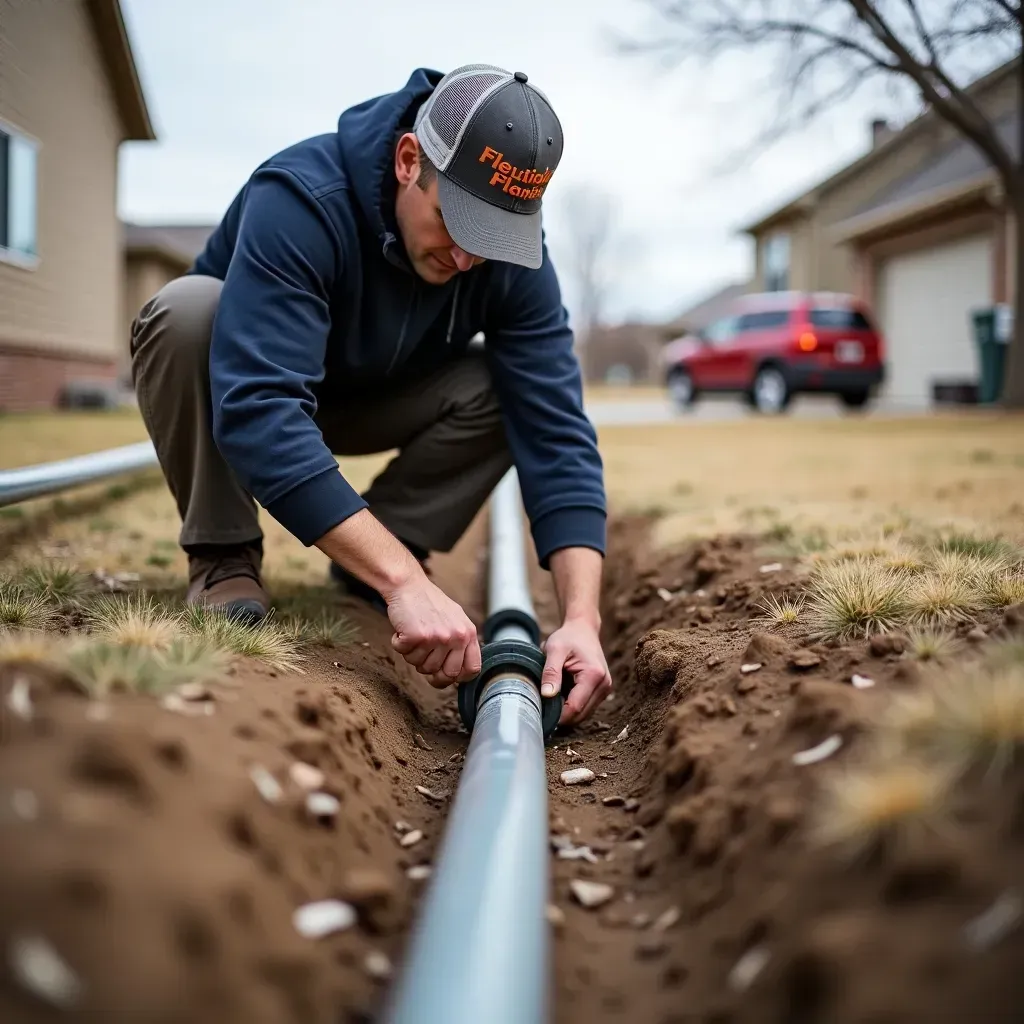
Your sewer line is one of the most critical components of your home's plumbing system, yet it's buried underground and completely out of sight. When problems develop, many Westminster homeowners feel overwhelmed by uncertainty what's actually wrong, how will it be fixed, and what will it cost?
This comprehensive guide walks you through the entire sewer line repair process, from initial diagnosis to completion. You'll learn how professional plumbers identify sewer line problems, what repair methods are available, when repair makes sense versus replacement, and what to expect during the repair process.
Whether you're dealing with slow drains, sewage backups, or just want to understand your home's plumbing better, this guide provides the clarity you need to make informed decisions.
What Is Sewer Line Repair?
Sewer line repair refers to the process of fixing damaged, broken, or malfunctioning sections of the main sewer line that carries wastewater from your home to the municipal sewer system or septic tank. This underground pipe system is typically 4-6 inches in diameter and runs from your home's plumbing system to the street or septic field.
Unlike minor drain clogs that affect individual fixtures, sewer line problems impact your entire home's drainage system. When your main sewer line develops cracks, breaks, blockages, or collapses, every toilet, sink, shower, and drain in your house can be affected.
What sewer line repair addresses:
- Cracked or broken pipes caused by soil movement, tree roots, or age
- Separated pipe joints where sections have pulled apart
- Collapsed sections where pipes have completely caved in
- Persistent root intrusion that clogs or damages pipes
- Corrosion or deterioration in older metal pipes
- Bellied pipes (sagging sections) that trap water and waste
- Offset pipes where ground shifting has misaligned connections
Sewer line repair can range from fixing a small crack in an accessible section to replacing entire lengths of damaged pipe. The specific approach depends on the extent and location of the damage, the material and age of your pipe, and the layout of your property.
The goal of any sewer line repair is to restore proper flow, eliminate sewage leaks, prevent backups, and extend the functional life of your sewer system for years to come.
Common Signs You Need Sewer Line Repair
Sewer line problems rarely appear suddenly they develop gradually and give warning signs that homeowners can recognize if they know what to look for. Catching these issues early can save thousands of dollars and prevent sewage emergencies.
Multiple Slow Drains Throughout Your Home
When several drains in your house are slow at the same time, the problem is likely in your main sewer line rather than individual fixture drains. You might notice your kitchen sink drains slowly, your shower backs up during use, and your toilet takes multiple flushes to clear.
This widespread drainage issue indicates a blockage or restriction in the main sewer line that affects all downstream fixtures. As the blockage worsens, drainage becomes progressively slower until complete backup occurs.
Sewage Backups in Lower-Level Fixtures
The lowest drains in your home, typically basement floor drains, basement toilets, or first-floor tubs are usually the first to show backup problems when your main sewer line is damaged or blocked. You might see water or sewage coming up through floor drains when you run water upstairs, or toilets that overflow when you shower.
These backups happen because sewage flowing through your damaged sewer line has nowhere to go, so it backs up through the lowest available opening in your plumbing system. This is a serious warning sign that requires immediate attention.
Gurgling Sounds from Multiple Fixtures
Gurgling noises coming from toilets, sinks, or drains - especially when you use other fixtures - indicate trapped air in your sewer line. When water flows through a damaged or partially blocked section, it creates air pockets that bubble up through your drains, causing the gurgling sound.
If you hear these sounds from multiple fixtures (not just one drain), your main sewer line likely has a problem that's affecting air flow and drainage throughout your system.
Foul Sewage Odors Inside or Outside Your Home
A properly functioning sewer line is airtight and shouldn't allow sewage gases to escape. If you smell persistent sewage odors inside your home (near drains or in your basement) or outside your home (in your yard, near your foundation, or around your sewer cleanout), you likely have a crack, break, or separated joint in your sewer line.
These odors aren't just unpleasant - they indicate raw sewage is leaking into your soil, which poses health and environmental risks.
Soggy Spots or Unusually Lush Grass in Your Yard
Unexplained wet areas in your lawn, particularly along the path of your sewer line from house to street, often indicate a sewer line leak. The leaking sewage saturates the soil, creating soggy spots even during dry weather.
You might also notice patches of grass that are significantly greener and lusher than surrounding areas - sewage acts as fertilizer, promoting excessive growth above the leak location. During winter, these areas might be the first to thaw or show no snow cover.
Frequent Drain Clogs Despite Professional Cleaning
If you're calling for drain cleaning repeatedly for the same problem, or if professional drain cleaning provides only temporary relief, the underlying issue is likely sewer line damage rather than simple clogs.
Tree roots, collapsed sections, or bellied pipes create persistent blockage points that no amount of snaking or hydro jetting can permanently fix. These problems require actual sewer line repair to resolve.
Foundation Cracks or Settling
Severe sewer line leaks can erode soil beneath and around your foundation, leading to settling, cracks, or structural issues. If you notice new foundation cracks appearing or existing cracks widening, especially combined with other signs on this list, a leaking sewer line could be undermining your home's structural stability.
If you're experiencing any combination of these warning signs, don't wait for a complete sewer line failure. Contact Westminster Plumbing for a professional diagnosis before a minor problem becomes a major emergency.
How Professional Plumbers Diagnose Sewer Line Problems
Modern sewer line diagnosis has come a long way from the days when plumbers had to excavate blindly, hoping to find the problem. Today's diagnostic tools allow us to pinpoint issues with precision before any digging begins.
Sewer Camera Inspection: The Gold Standard
The most accurate way to diagnose sewer line problems is with a sewer camera inspection. This process involves inserting a high-resolution, waterproof camera attached to a flexible cable into your sewer line through a cleanout or access point.
As the camera travels through your pipe, it transmits real-time video to a monitor above ground, allowing the plumber to see exactly what's happening inside your sewer line.
Modern camera systems include:
- High-definition video quality to spot even small cracks
- LED lighting for clear visibility in dark pipes
- Locator transmitters to pinpoint problem locations from above ground
- Recording capability so you can see the issues yourself
- Measurement tools to gauge pipe diameter and damage extent
What camera inspections reveal:
- Exact location of cracks, breaks, or collapsed sections
- Root intrusion points and severity
- Pipe material and condition
- Joint separation or offset pipes
- Bellied sections or improper slope
- Blockages and their composition
- Corrosion or deterioration patterns
A professional camera inspection typically takes 30-60 minutes and provides definitive answers about your sewer line's condition. This diagnostic step is essential before recommending any repair approach it eliminates guesswork and ensures you only pay for repairs you actually need.
Additional Diagnostic Methods
Beyond camera inspection, professional plumbers may use supplementary diagnostic tools:
Hydrostatic testing: Sealing a section of sewer line and filling it with water to check for leaks based on water level drop
Smoke testing: Introducing non-toxic smoke into the sewer system to identify crack locations (smoke escapes where pipes are broken)
Dye testing: Flushing colored dye to track water flow and identify leakage points
Acoustic leak detection: Using sensitive microphones to detect the sound of water escaping from underground pipes
At Westminster Plumbing, we always perform a thorough camera inspection before recommending repairs. This transparency ensures you understand exactly what's wrong and why specific repairs are necessary.
Sewer Line Repair Methods Explained
Once your sewer line problem is diagnosed, several repair methods are available depending on the damage type, location, and severity. Modern plumbing offers both traditional and innovative solutions.
Spot Repair for Isolated Damage
When damage is limited to a small section of pipe (typically 5-10 feet or less), spot repair is often the most cost-effective solution. This involves accessing the damaged section and repairing or replacing just that portion of pipe.
Best for: Single cracks, isolated breaks, one separated joint, localized root intrusion
Process: Excavate above the damaged section, remove the damaged pipe, install new pipe, reconnect to existing line, backfill and restore
Typical timeline: 1-2 days depending on depth and access
Cost range: $1,500-$4,000 for most spot repairs
Spot repairs make sense when the rest of your sewer line is in good condition and you're only dealing with one problem area. However, if your sewer line has multiple damage points or is generally deteriorating, spot repairs may just postpone the inevitable need for more extensive work.
Pipe Lining (CIPP - Cured-In-Place Pipe)
Trenchless pipe lining is a modern repair method that creates a new pipe inside your existing damaged pipe without excavation. A resin-saturated liner is inserted into your sewer line, inflated to press against the pipe walls, and cured in place using hot water or steam to harden.
Best for: Pipes with cracks, minor breaks, root intrusion, or corrosion but still structurally intact (not completely collapsed)
Process: Clean the pipe thoroughly, insert flexible liner, inflate and position, cure with heat, allow to harden, trim ends
Typical timeline: Usually completed in one day
Cost range: $3,000-$8,000 depending on length and accessibility
Advantages:
- No excavation or landscaping destruction
- Creates seamless, jointless pipe resistant to roots
- Extends pipe life by 50+ years
- Minimal disruption to your property
- Usually less expensive than full replacement when factoring in restoration costs
Learn more about trenchless sewer repair options and how they can save your landscaping while fixing your sewer line.
Pipe Bursting for Full Replacement
Pipe bursting is another trenchless method used when pipes are too damaged for lining or need complete replacement. A bursting head is pulled through your old pipe, breaking it apart while simultaneously pulling new pipe into place behind it.
Best for: Completely collapsed pipes, severely corroded pipes, undersized pipes, or situations where you want to upgrade to larger diameter pipe
Process: Dig access pits at entry and exit points, insert bursting head, attach new pipe, pull bursting head through (breaks old pipe and lays new), connect new pipe to system
Typical timeline: 1-2 days for most residential applications
Cost range: $4,000-$10,000 depending on length and conditions
Advantages:
- Minimal excavation (only access pits, not entire length)
- Can upsize pipes in the same footprint
- New pipe has 50-100 year lifespan
- Much faster than traditional replacement
- Less disruption than full excavation
Traditional Excavation and Replacement
Traditional sewer line replacement involves digging a trench along the entire length of damaged pipe, removing the old line, and installing new pipe. While more disruptive, this method is sometimes necessary or more cost-effective depending on your situation.
Best for: Multiple failures throughout the line, extremely deep pipes, severely collapsed sections, situations where other methods aren't feasible
Process: Locate and mark pipe path, excavate trench, remove old pipe, install new pipe with proper slope, test system, backfill, restore surface
Typical timeline: 2-5 days depending on length and complications
Cost range: $5,000-$15,000+ depending on length, depth, and restoration needs
When traditional excavation makes sense:
- Your sewer line has multiple failure points throughout its length
- Trenchless methods would cost more due to complications
- You're already doing other excavation work (foundation repair, landscaping overhaul)
- You need to reroute the sewer line path
- Local codes require complete replacement for your situation
Modern excavation techniques minimize disruption and contractors can often restore landscaping, driveways, and hardscaping to near-original condition.
The Traditional Sewer Line Repair Process
Understanding what happens during traditional sewer line repair helps you prepare for the work and set appropriate expectations. Here's the step-by-step process professional plumbers follow:
Step 1: Initial Assessment and Permits
Before any digging begins, your plumber will:
- Perform a sewer camera inspection to confirm damage location and extent
- Provide a detailed estimate including labor, materials, and restoration
- Contact local utilities to mark underground lines (gas, electric, water, cable)
- Pull necessary permits from Westminster building department
- Review the work plan with you and answer questions
Timeline: 1-3 days for permits and utility marking
Step 2: Site Preparation
Once permits are approved and utilities marked:
- Mark the excavation area with paint or stakes
- Protect landscaping not in the work zone
- Set up safety barriers if near sidewalks or streets
- Position equipment and materials
- Establish debris and soil storage areas
Timeline: Morning of work day 1
Step 3: Excavation
The actual digging process:
- Use excavators or trenchers to dig along the sewer line path
- Dig to depth of sewer line (typically 2-6 feet but sometimes deeper)
- Widen trench as needed for safe working space
- Shore up trench walls if depth requires it per safety codes
- Carefully expose the damaged pipe sections
Timeline: 4-8 hours depending on length and depth
Step 4: Pipe Removal and Replacement
With the damaged pipe exposed:
- Disconnect damaged sections from connection points
- Remove old pipe and inspect surrounding soil
- Prepare trench bed with proper slope for drainage
- Install new pipe (typically PVC or ABS in Westminster)
- Connect new pipe to existing system at both ends
- Secure joints and ensure proper alignment
Timeline: 4-6 hours for most residential repairs
Step 5: Testing and Inspection
Before backfilling:
- Run water through the system to check for leaks
- Perform smoke or water tests to verify connections
- Inspect installation to ensure proper slope
- Have municipal inspector verify work if required
- Make any necessary adjustments
Timeline: 1-2 hours
Step 6: Backfilling and Initial Restoration
After passing inspection:
- Backfill trench in layers, compacting as you go
- Grade soil to match original slope
- Install temporary surface patches if needed
- Clean up debris and excess soil
- Restore basic site access
Timeline: 2-4 hours
Step 7: Final Restoration
Depending on what was disturbed:
- Restore landscaping (reseed grass, replace sod, replant shrubs)
- Repair or replace concrete driveways, sidewalks, or patios
- Restore decorative elements like pavers or garden borders
- Ensure proper drainage around restored areas
- Final cleanup and site inspection with homeowner
Timeline: 1-3 days after initial work (sometimes scheduled separately)
The entire traditional repair process typically takes 2-5 days from start to final restoration, depending on length of repair, weather conditions, and complexity of restoration work.
Modern Trenchless Sewer Repair Options
Trenchless repair methods have revolutionized how we fix sewer lines, offering less invasive alternatives that preserve your landscaping and reduce overall disruption and cost.
How Trenchless Pipe Lining Works
Pipe lining (CIPP - Cured-In-Place Pipe) creates a new pipe inside your damaged pipe:
The process:
- Thorough cleaning: High-pressure hydro jetting removes debris, roots, and scale from the pipe interior to ensure the liner adheres properly
- Camera inspection: Verify the pipe is clean and suitable for lining (pipe must retain most structural integrity)
- Liner preparation: A flexible textile liner is saturated with epoxy resin in controlled conditions
- Liner insertion: The resin-soaked liner is inserted through an access point and pulled or pushed through the damaged pipe section
- Inflation and positioning: The liner is inflated with air or water pressure to press tightly against the existing pipe walls
- Curing: Hot water or steam is circulated through the liner to activate the resin curing process (or UV light for certain liner types)
Final inspection: After curing (typically 2-4 hours), the inflation device is removed and a camera verifies the new pipe lining
What you get:
- A seamless, jointless new pipe inside your old one
- Smooth interior surface that resists root intrusion and corrosion
- Restored flow capacity (minimal diameter loss - typically 1/4 inch)
- 50+ year expected lifespan
- Same-day completion in most cases
How Trenchless Pipe Bursting Works
Pipe bursting replaces your old pipe without trenching:
The process:
- Access pit excavation: Dig small access pits (typically 3x4 feet) at entry and exit points
- Setup: Insert bursting head into the old pipe at one end, attach new pipe sections behind it, connect pulling equipment at the exit end
- Bursting: Hydraulically pull the bursting head through the old pipe - its expanding cone shape breaks the old pipe apart and pushes fragments into surrounding soil
- New pipe installation: As the bursting head moves forward, it pulls new HDPE pipe into the space, replacing the old line
- Connection: Connect the new pipe to your home's plumbing and the municipal connection
Testing and restoration: Test for leaks, verify proper flow, backfill access pits, restore surfaces
Advantages over traditional methods:
- 90% less excavation than full trenching
- Preserves mature trees, landscaping, and hardscaping
- Faster completion (typically 1-2 days)
- Can upsize from 4-inch to 6-inch pipe if needed
- New HDPE pipe resists roots and corrosion
When Trenchless Methods Work Best
Trenchless repairs are ideal when:
- Damage is in hard-to-access areas under driveways, landscaping, or structures
- You want to minimize property disruption
- The existing pipe route is correct and properly sloped
- Pipe damage is from cracks, breaks, or root intrusion (not complete collapse for lining)
- Your property has mature landscaping or expensive hardscaping you want to preserve
We offer comprehensive trenchless sewer repair services. We'll evaluate your specific situation and recommend the approach that provides the best long-term value while minimizing disruption to your property.
Repair vs. Replacement: Making the Right Decision
One of the most common questions Westminster homeowners ask is whether to repair their damaged sewer line or replace it entirely. The answer depends on several factors.
When Sewer Line Repair Makes Sense
Repair is typically the right choice when:
Your pipe is relatively young: If your sewer line is less than 25-30 years old and made of durable material (PVC or ABS), a repair can extend its life significantly
Damage is isolated: One crack, one separated joint, or one small section of root intrusion can be fixed without replacing the entire line
The rest of the line is healthy: Camera inspection shows the remaining pipe is in good condition with no impending failures
Budget is limited: Repairs cost 30-60% less than full replacement when only one section is damaged
Quick fix is needed: Spot repairs can often be completed in 1-2 days versus 3-5 days for full replacement
When Sewer Line Replacement Makes Sense
Replacement is usually the better long-term investment when:
Multiple failure points exist: If camera inspection reveals several damaged areas throughout the line, replacing it all at once is more cost-effective than multiple repairs
Your pipe is old: Sewer lines 40+ years old (especially clay, cast iron, or Orangeburg pipe) are living on borrowed time - repairs are temporary band-aids
Recurring problems: If you've already done one or two repairs and issues keep appearing, the entire line is failing
Material is obsolete: Orangeburg pipe or heavily corroded cast iron should be replaced, not patched
Home sale considerations: If you're planning to sell within 5-10 years, replacement eliminates a major disclosure issue and potential deal-killer
Code upgrades required: If repairs trigger requirements to bring the entire system to current code, replacement might cost only marginally more
The 50% Rule
Many plumbers follow the "50% rule" - if repair costs exceed 50% of full replacement cost, replacement usually provides better value. For example:
- Spot repair estimate: $3,500
- Full replacement estimate: $6,500
- Repair is 54% of replacement cost → Consider replacing
This rule factors in that aged pipes will likely need more repairs soon, making the one-time investment in replacement more economical over 5-10 years.
Getting Expert Guidance
The repair versus replacement decision shouldn't be made based on price alone. We provide honest assessments based on:
- Your pipe's actual condition (via camera inspection)
- Your home's age and expected ownership timeline
- Long-term cost analysis
- Property-specific factors (Westminster's clay soil, tree coverage, etc.)
We'll never recommend replacement if repair will serve you well, and we'll never patch a failing system when replacement is the prudent choice. Our goal is helping you make the decision that's right for your situation and budget.
Schedule a sewer camera inspection to get clear answers about your sewer line's condition and the best path forward.
What to Expect During Sewer Line Repair
Understanding what happens during sewer line repair helps you prepare your home and family for the process.
Before Work Begins
Your responsibilities:
- Clear the work area of furniture, vehicles, or items in the path
- Inform neighbors if work affects shared areas or access
- Make arrangements if you need to be away during noisy work
- Ensure plumbers have access to necessary areas (basement, yard)
- Secure pets indoors away from work zones
What the plumber will do:
- Review the work plan and timeline with you
- Confirm utility lines are marked
- Explain safety measures and any restrictions (areas to avoid, etc.)
- Set up equipment and materials staging areas
- Establish a communication point person
During the Repair
What's happening:
- Excavation equipment or trenchless equipment operating
- Technicians working in excavated areas or at access points
- Periodic testing of the system
- Noise from equipment, especially during excavation phases
- Trucks and equipment on your property or street
What you can expect:
- Temporary loss of sewer service (typically 4-8 hours during active pipe work)
- Noise during work hours (usually 8 AM - 5 PM)
- Limited access to certain areas of your property
- Dirt, mud, or debris near work zones (contained to work area)
- Regular updates from the crew on progress
Using your plumbing during repairs:
- You'll typically need to avoid using water while pipe work is underway
- The crew will tell you specifically when to stop using water and when you can resume
- Plan ahead: do laundry, dishes, and showers before the no-use window
- Keep water use minimal during repair day even when permitted
After Completion
Immediate aftermath:
- New pipe installation tested and approved
- Work area cleaned up (excess soil removed, debris hauled away)
- Temporary surface restoration if needed (gravel, compacted soil)
- Final walkthrough with you to review work completed
Follow-up restoration (if applicable):
- Landscaping restoration scheduled (may be days or weeks later depending on season)
- Concrete or hardscaping repair scheduled if needed
- Final grading and drainage verification
- Warranty documentation provided
Your sewer system:
- Fully functional with proper flow restored
- No more backups or slow drains
- No sewage odors or soggy spots
- Peace of mind knowing the problem is permanently fixed
Trust Westminster Plumbing LLC for Expert Sewer Line Repair
Sewer line problems can feel overwhelming, but understanding the repair process helps you make informed decisions and know what to expect. Whether you need a simple spot repair or full line replacement, modern repair methods offer solutions that minimize disruption while providing lasting results.
The key is addressing sewer line issues promptly - before minor damage becomes a major failure. Early intervention through professional diagnosis and timely repair saves money, protects your property, and prevents sewage emergencies.
Westminster Plumbing has the expertise, equipment, and experience to handle any sewer line repair. We understand Westminster's unique challenges - from expansive clay soil to aging infrastructure - and we offer both traditional and trenchless repair solutions tailored to your specific situation.
Why Westminster homeowners trust us:
- Accurate diagnosis with state-of-the-art camera inspection
- Transparent pricing with detailed estimates before work begins
- Licensed, insured technicians with extensive sewer line experience
- Multiple repair options to fit your needs and budget
- Quality workmanship backed by solid warranties
- 24/7 emergency service when you need help immediately
Don't wait for a sewer line problem to become a disaster. If you're experiencing slow drains, backups, sewage odors, or any other warning signs, contact us for a professional assessment.
Don't wait for a sewer line problem to become a disaster. If you're experiencing slow drains, backups, sewage odors, or any other warning signs, contact us for a professional assessment.
Call Westminster Plumbing
for expert
sewer line repair services. We provide same-day diagnosis, upfront pricing, and solutions designed to last. Licensed, locally owned, and committed to exceptional service.
Frequently Asked Questions
What is sewer line repair and when is it necessary?
Sewer line repair is the process of fixing damaged or malfunctioning sections of the main sewer pipe that carries wastewater from your home to the municipal sewer system or septic tank. It is necessary when homeowners experience recurring slow drains, sewage backups, foul odors, or visible signs of underground pipe damage such as soggy yard areas or foundation settling.
What are the most common causes of sewer line damage?
The most common causes of sewer line damage include tree root intrusion, aging or deteriorated pipes, shifting soil (especially expansive clay soil common in Westminster), corrosion in older metal pipes, and improper installation. Over time, these factors can cause cracks, separations, blockages, or complete pipe collapse.
How do plumbers diagnose sewer line repair problems?
Professional plumbers diagnose sewer line repair issues using sewer camera inspections. A high-resolution camera is inserted into the sewer pipe to identify cracks, root intrusion, blockages, collapsed sections, and pipe misalignment. This method allows accurate diagnosis without unnecessary digging and ensures the correct repair solution is chosen.
What is the difference between trenchless sewer line repair and traditional repair?
Trenchless sewer line repair uses methods like pipe lining or pipe bursting to repair or replace sewer pipes with minimal excavation. Traditional sewer line repair involves digging a trench to access and replace damaged pipes. Trenchless methods are less disruptive, faster, and often more cost-effective when landscaping or hardscaping is involved.
How long does sewer line repair last?
The lifespan of sewer line repair depends on the method used. Spot repairs typically last 10–25 years, while trenchless pipe lining and pipe bursting can last 50 years or more. Proper installation, pipe material, soil conditions, and regular maintenance all play a role in long-term durability.
Final Thoughts
Sewer line repair is not something homeowners think about until a problem disrupts daily life, but understanding how the process works puts you in control before small issues turn into costly emergencies. From early warning signs and professional diagnosis to modern trenchless solutions and full replacement options, the right approach depends on accurate inspection and informed decision-making.
Addressing sewer line damage early protects your home, your health, and your property value. Ignoring slow drains, sewage odors, or recurring backups can lead to extensive repairs, foundation damage, and unnecessary expense. With today’s advanced repair methods, most sewer line problems can be resolved efficiently and with far less disruption than many homeowners expect.
If you suspect a sewer line issue, professional evaluation is the first and most important step. A thorough camera inspection provides clarity, eliminates guesswork, and ensures the repair solution chosen is both effective and long lasting. With the right expertise, sewer line repair doesn’t have to be overwhelming it can be a straightforward process with reliable, permanent results.
